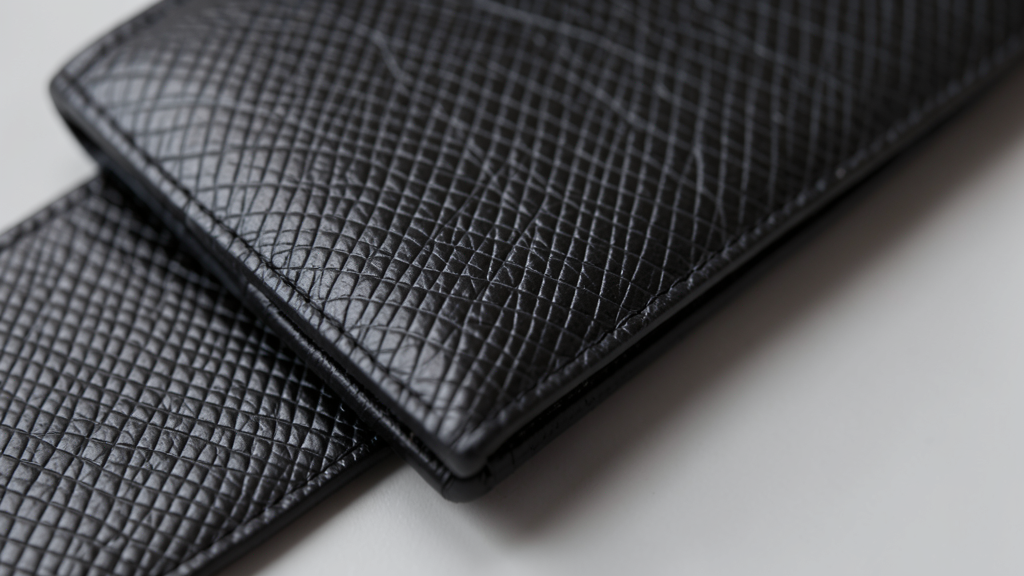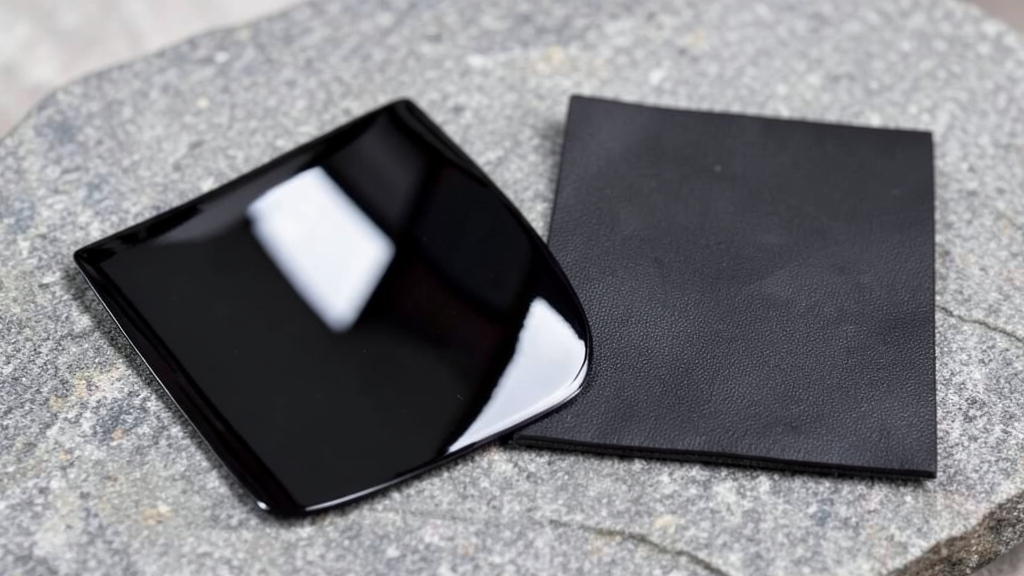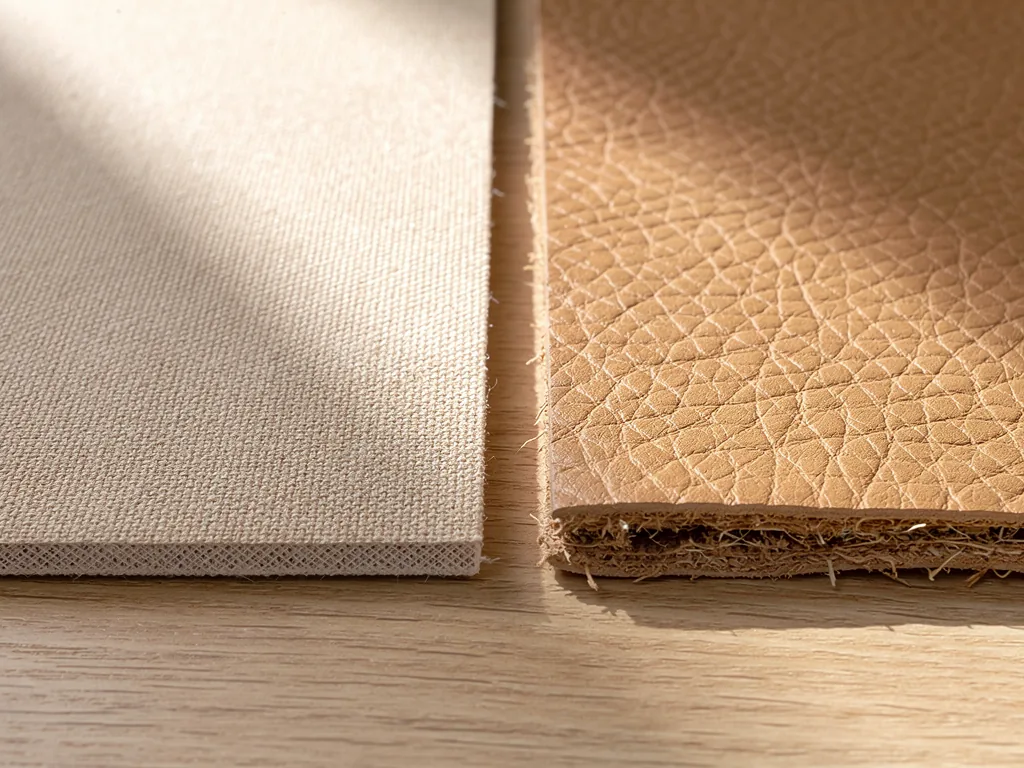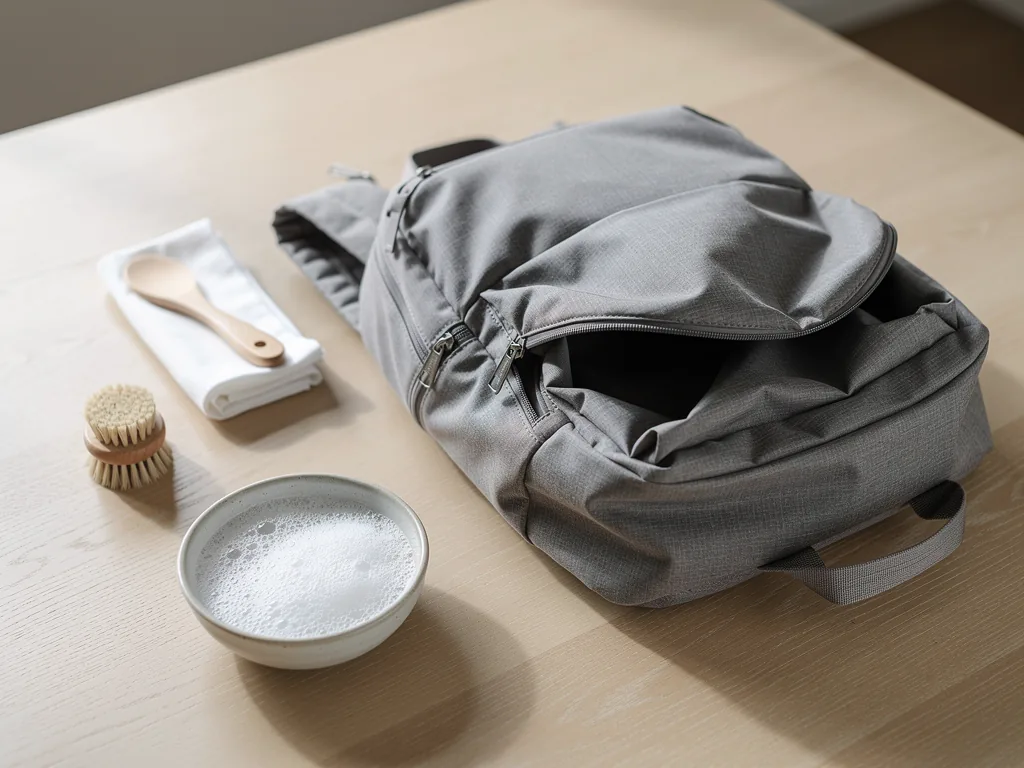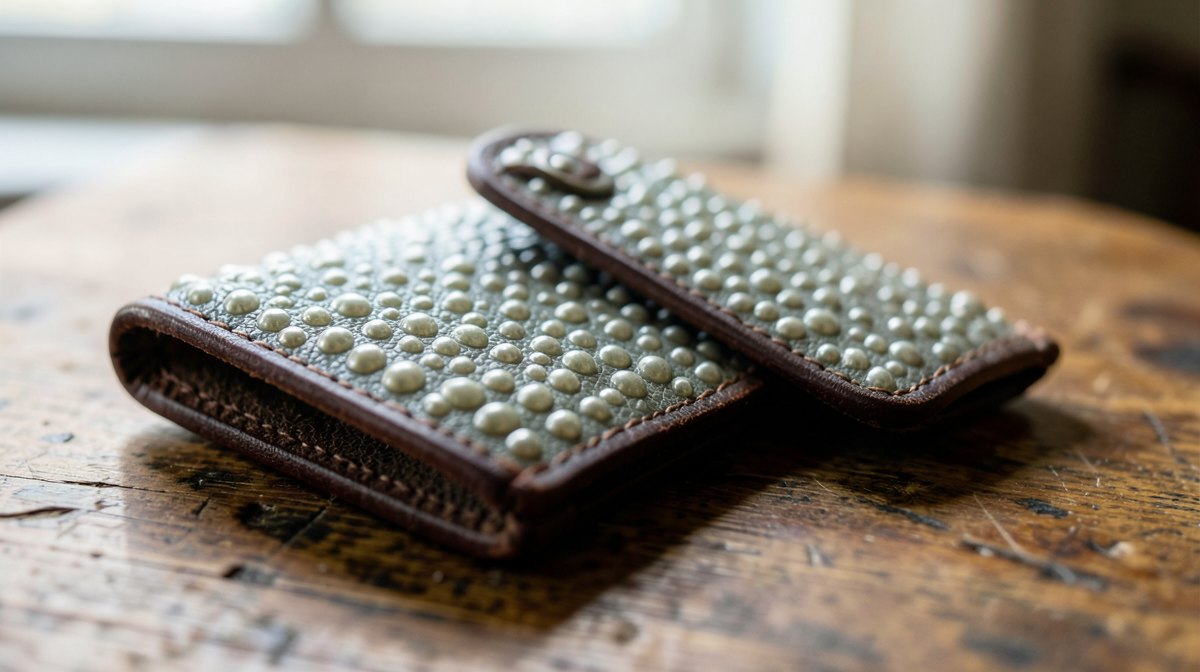
Shagreen leather is tanned stingray skin, covered in tiny calcified beads that give it a gritty feel and an almost mineral sheen. You find it on wallets, cases, watch straps, Japanese sword grips and Art Deco furniture. It is one of the toughest leathers there is, and one of the easiest to fake. If you […]
Category Archives: Guides & Conseils
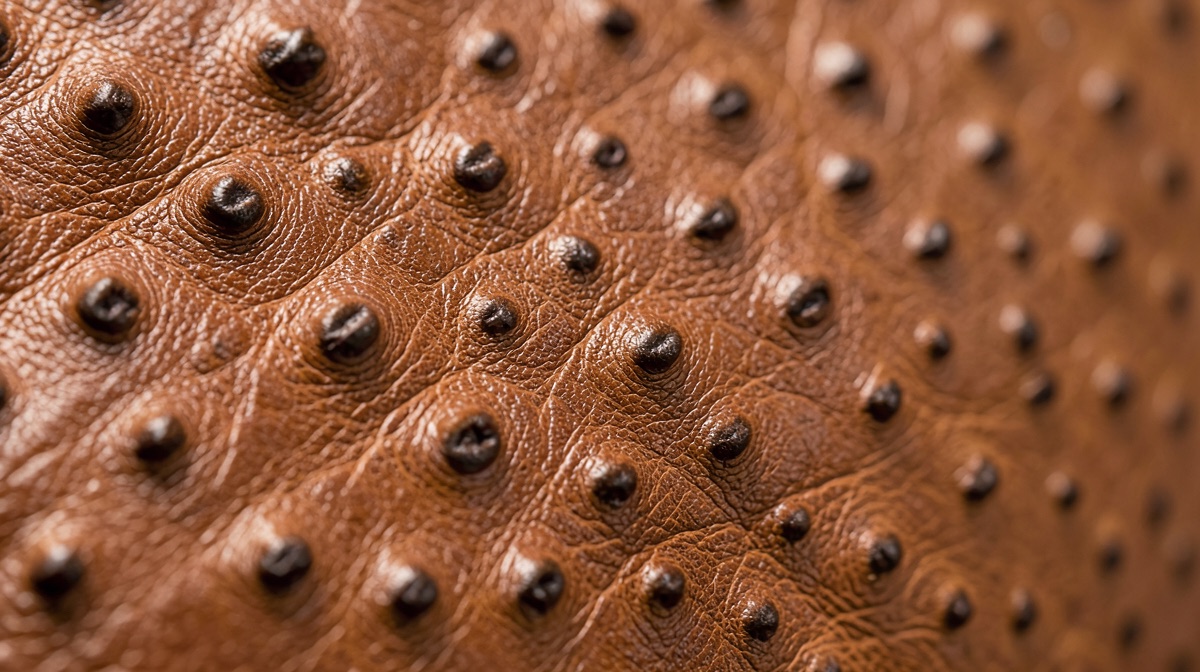
Ostrich leather is the exotic hide you recognize by its quill bumps, the small raised dots left where the feathers grew. It ranks among the most sought after skins in luxury leather goods because it is soft, tough and scarce at the same time. You will mostly see it on high end handbags, wallets, belts […]
What is Oxford fabric? It is a fabric defined by its weave, a basket weave in which yarns are grouped in pairs or more and cross over and under each other like a tiny checkerboard. The same name covers two very different materials: a soft cotton used for Oxford shirts, and a tough synthetic canvas, […]
What is vegan leather? It is any material made to look and feel like leather without using animal hide. In most bags sold today, that means polyurethane (PU) coated onto a fabric backing; less often it means PVC, and occasionally a plant-based sheet made from pineapple leaves, cactus, apples or mushroom roots. The label tells […]
What is aniline leather? It is leather dyed all the way through with soluble dyes and left without a covering layer of pigment on the surface. You see the hide as it really is: its pores, fine wrinkles and natural shade variations. It is the softest leather to the touch and the one that develops […]
What is split leather? It is the lower layer of a hide, the part left once the tanner splits the hide in two through its thickness. The top layer keeps the grain and becomes top grain or full grain leather; the layer underneath, more fibrous and with no grain of its own, is the split. […]
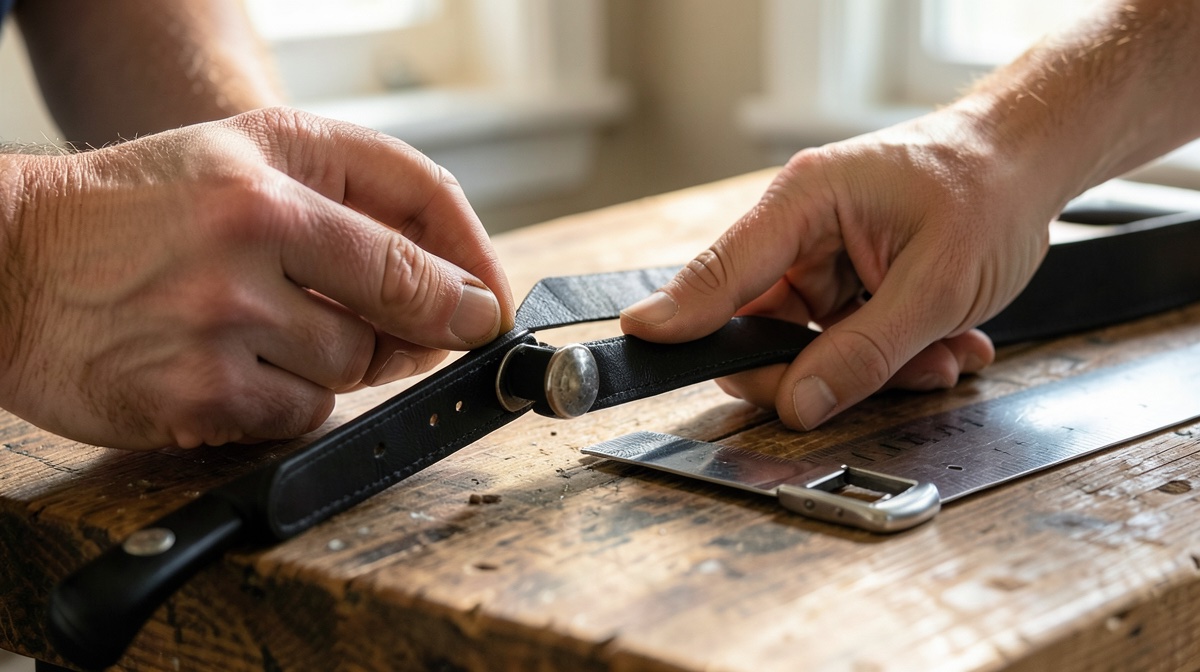
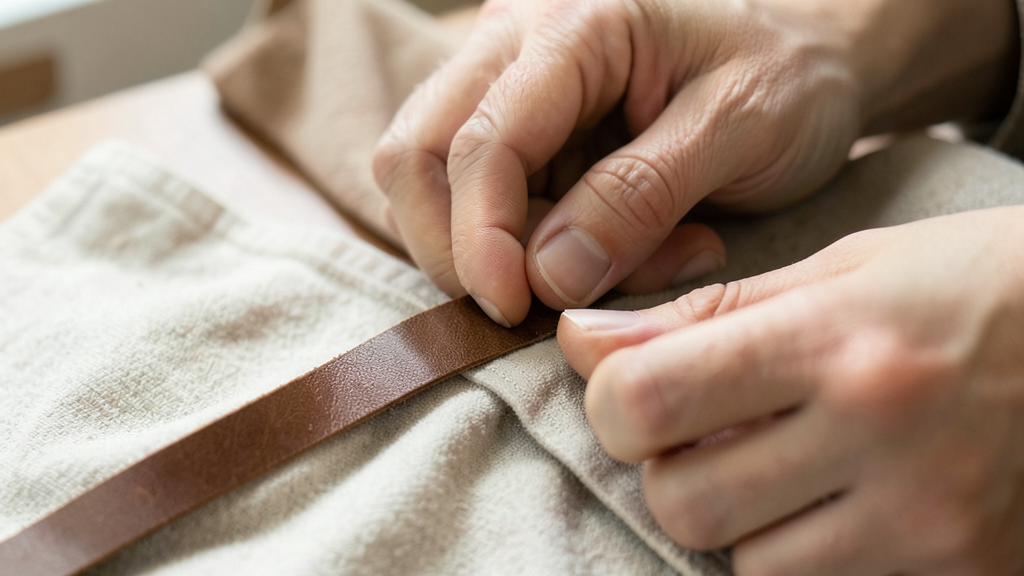
To shorten a belt, always cut from the buckle end, never from the tip: remove the buckle, cut the extra strap, then fit the buckle back. Everything depends on how the buckle is attached. A buckle held by screws, snaps or a clamp comes off in two minutes and you can do the job at […]
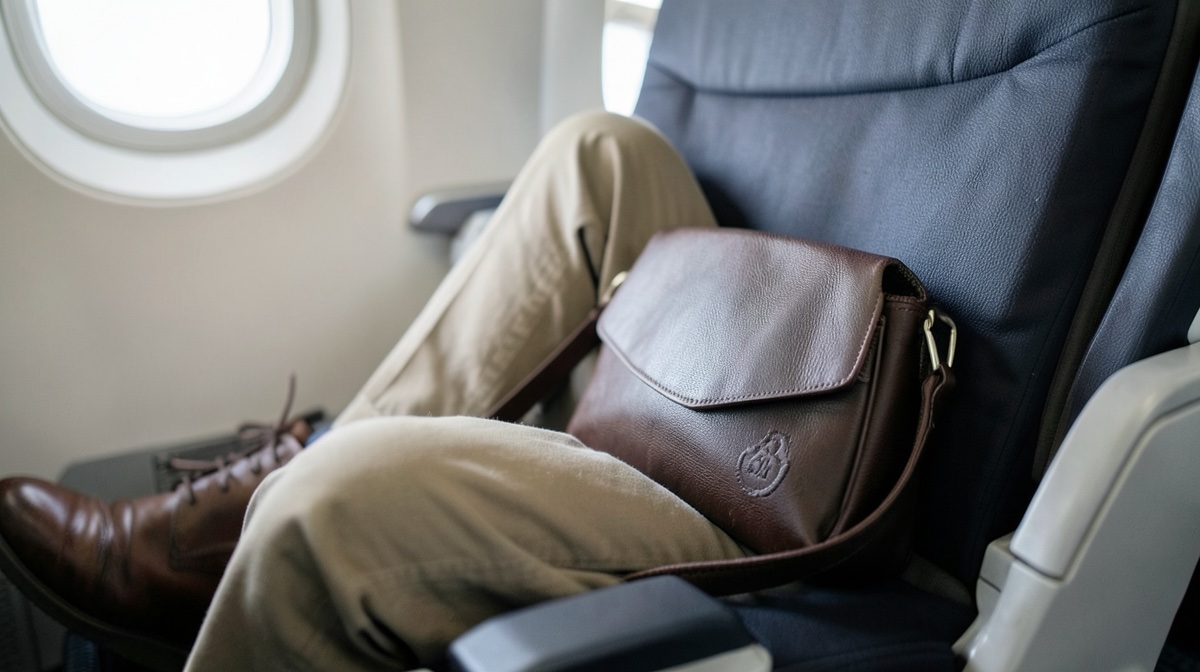
Personal item size depends on the airline, but the most common limit in the United States is 18 x 14 x 8 inches (45 x 35 x 20 cm), used by American Airlines and Frontier. JetBlue allows 17 x 13 x 8 inches, United only 17 x 10 x 9 inches, and Delta and Southwest […]
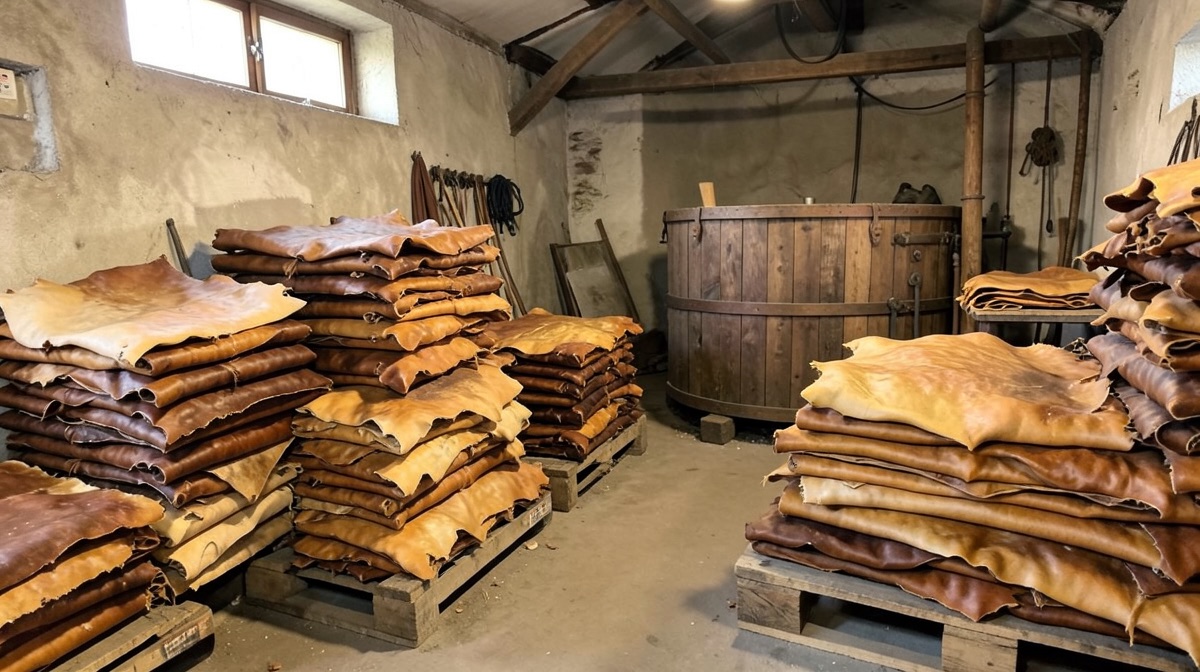
How is leather made? A raw animal hide is cleaned, stripped of hair and flesh, split to thickness, tanned so it stops rotting, then dyed, oiled, dried and finished. Tanning is the step everyone has heard of, and it comes in two main forms: chrome tanning, which takes hours, and vegetable tanning, which takes weeks. […]
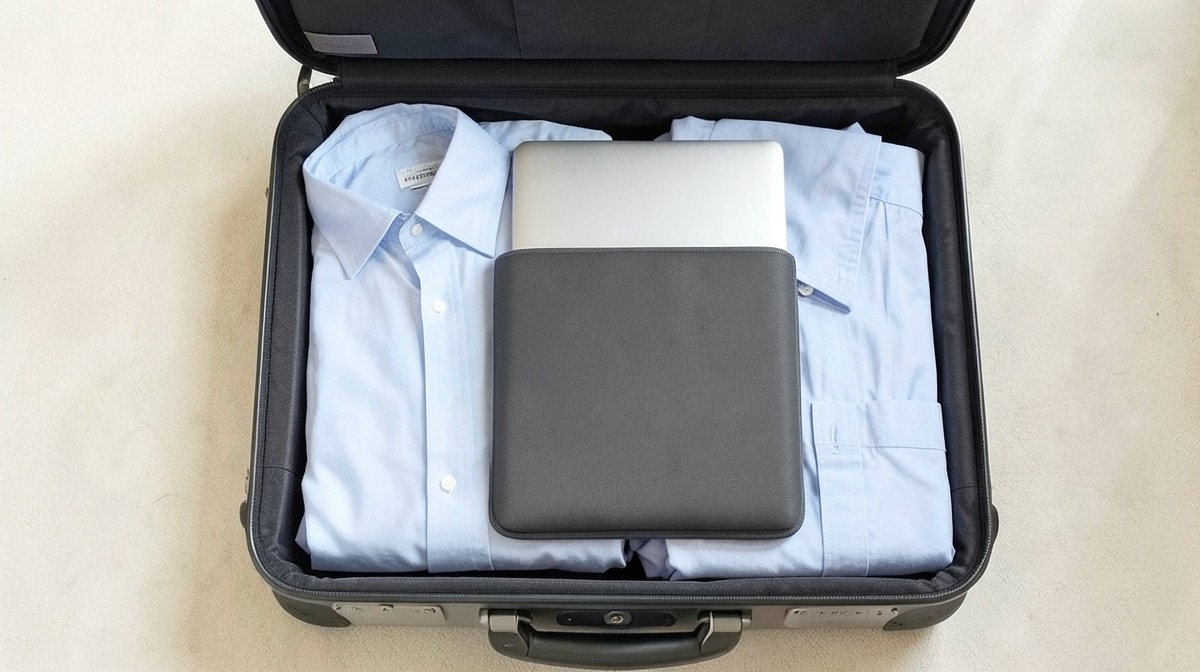
Yes, you can put a laptop in checked luggage: the TSA allows it, and the FAA accepts a laptop in a checked bag as long as it is completely powered off and protected from damage. Whether you should is another question. In the hold, the lithium battery is out of the crew’s sight, the laptop […]
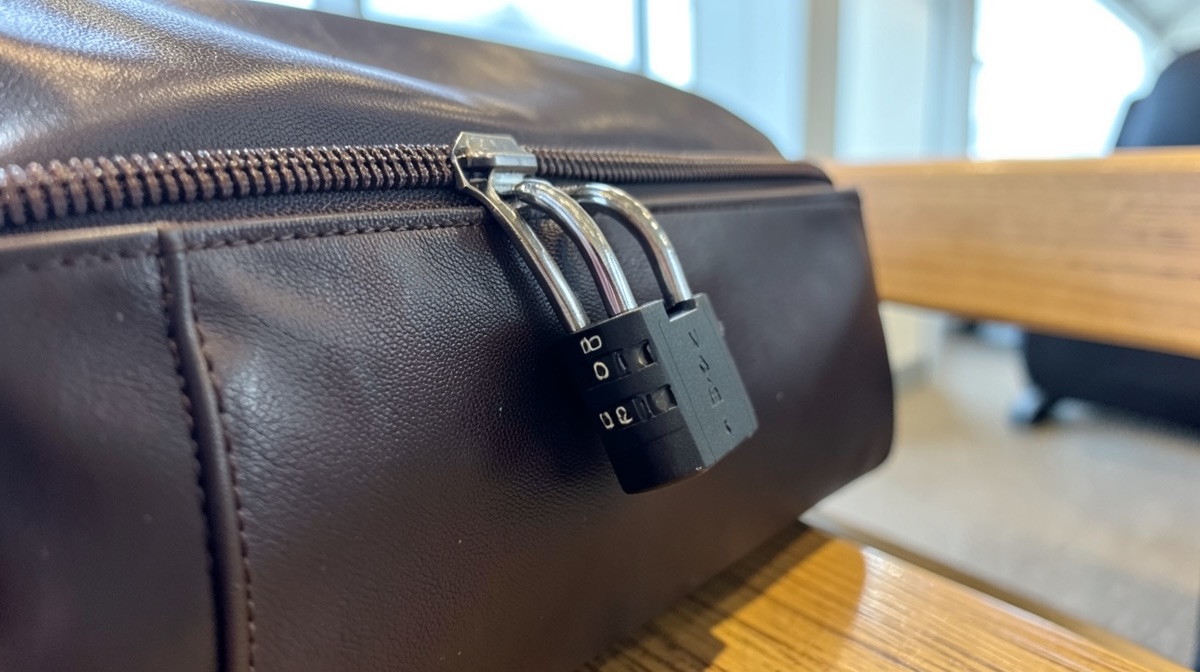
Here is how to reset a TSA lock: open it with the current combination (0-0-0 on most new locks), put it in setting mode with the small reset button or the shackle, dial your new code, then release. That is the whole job on nine locks out of ten, and the only real variable is […]
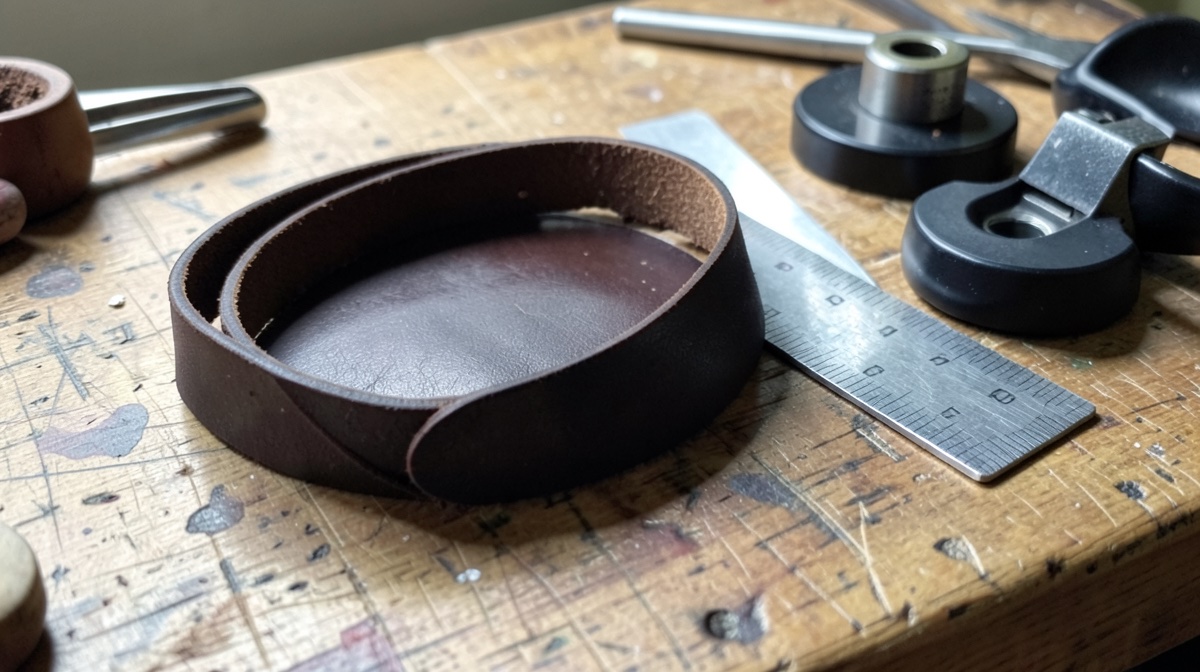
How to make a hole in a belt cleanly comes down to three things: the right spot, measured from the existing holes rather than guessed; a tool that cuts the leather out instead of pushing it aside; and a finish that stops the new hole from stretching into an oval. A rotary leather punch, the […]
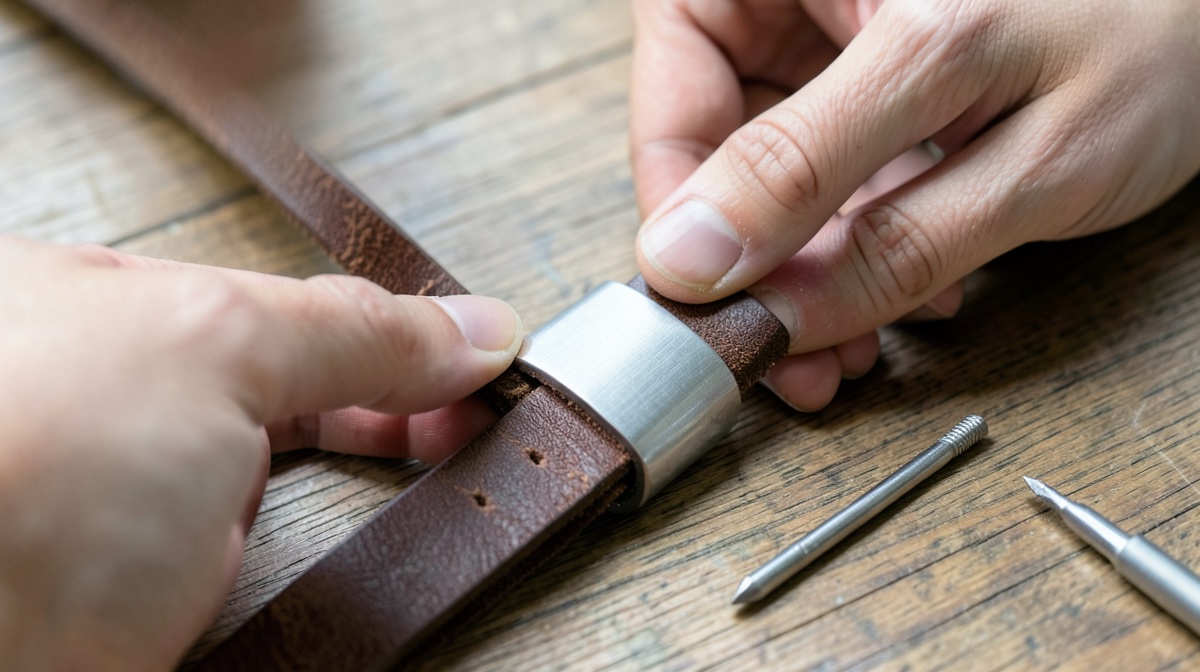
How to put a buckle on a belt? It depends on how the buckle is held to the strap: by snaps, by screws, by the clamp of a ratchet buckle, or by stitching. The first three come apart in a few minutes with a screwdriver or even bare hands; the last one means unpicking a […]
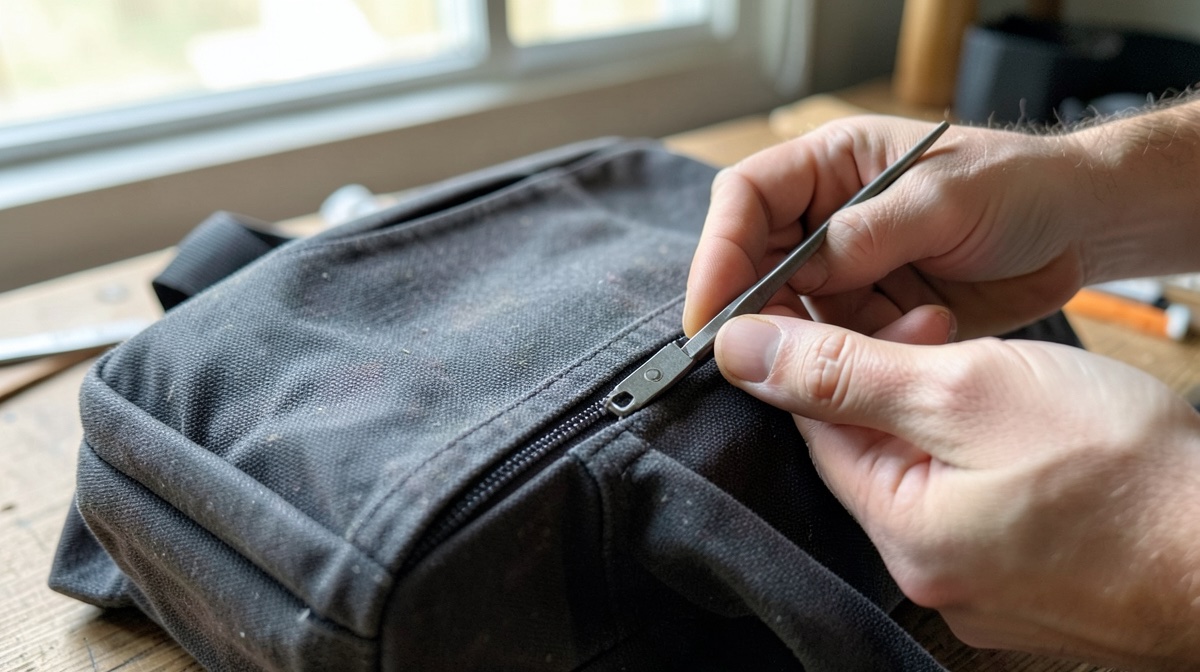
How to fix a zipper on a backpack without replacing it? In most cases the fault is not in the teeth but in the slider, the small metal piece that locks them together: a worn slider spreads open, stops pressing the two rows against each other, and the zipper gapes behind it. A pair of […]
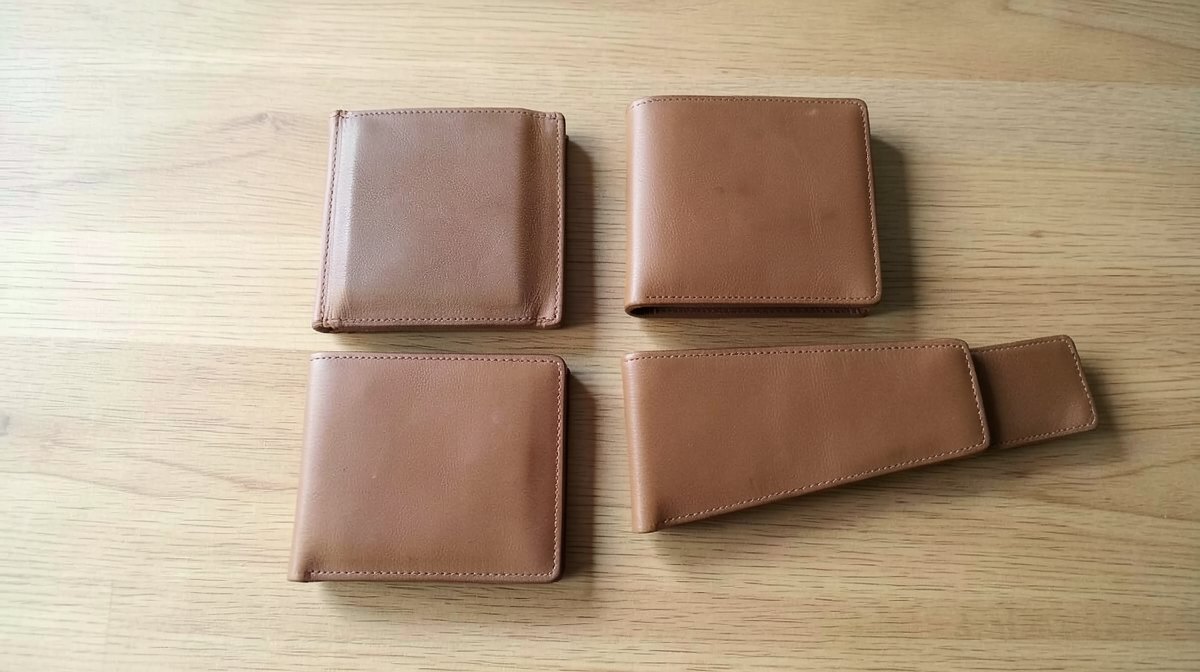
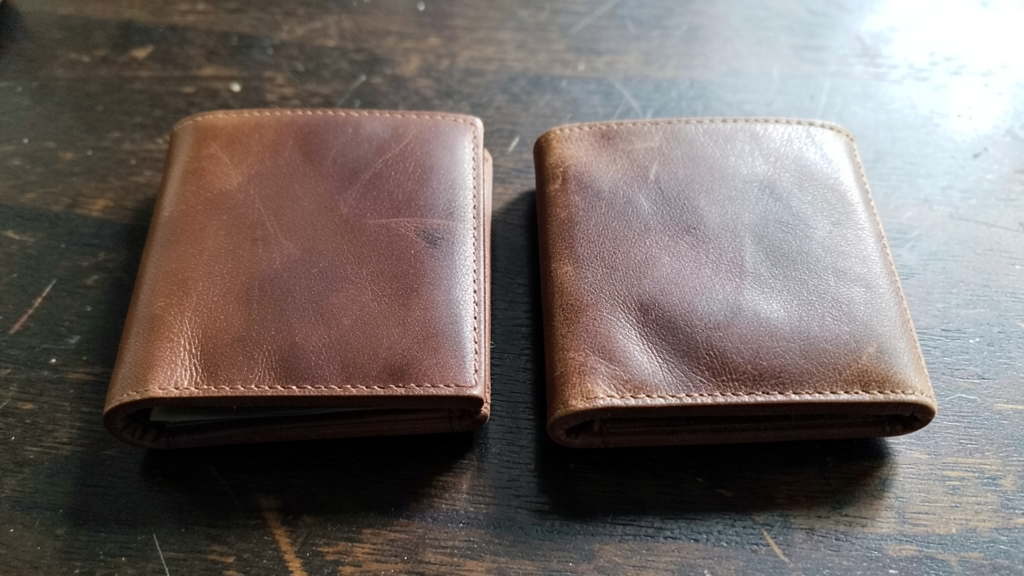
There are nine types of wallets worth knowing, and they differ less in style than in three practical things: how many cards they hold, whether cash lies flat or folded, and which pocket they are built for. A bifold and a card holder can look alike on a shop page and behave completely differently once […]
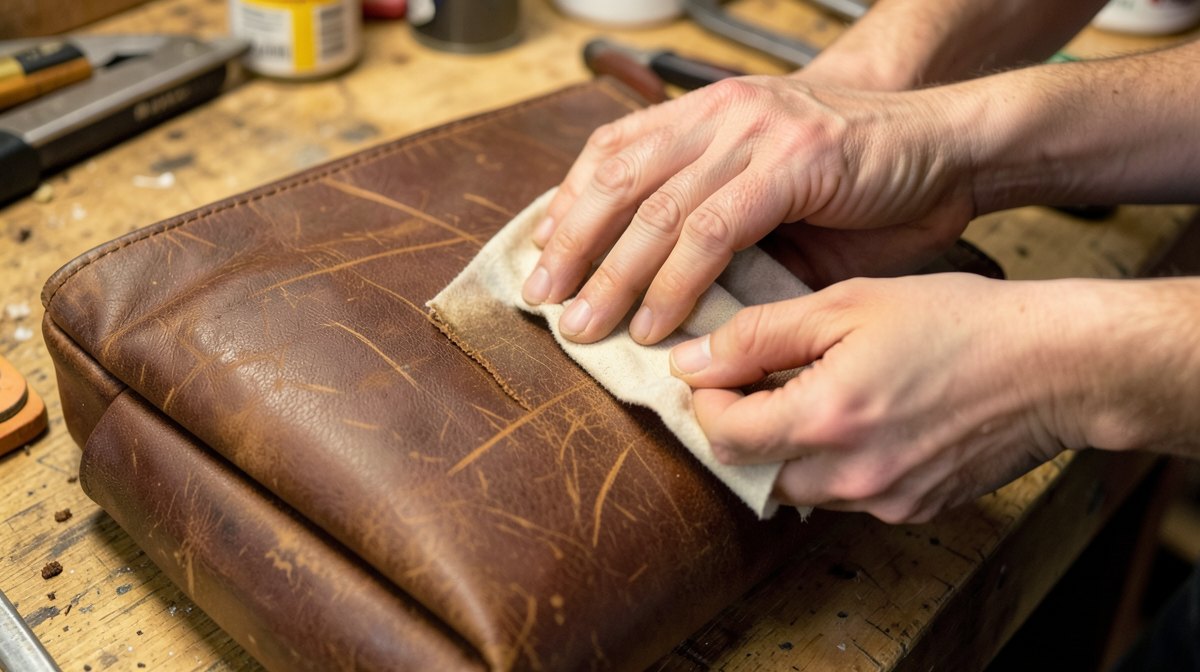
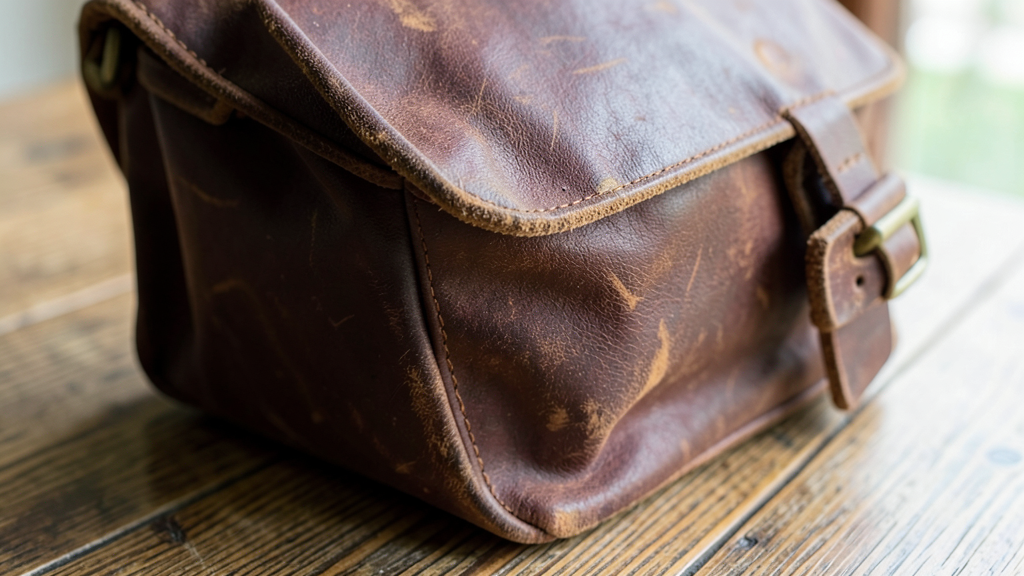
How to fix scratched leather depends on one thing before any product: how deep the scratch goes and what finish the leather has. A light mark on waxed leather can vanish under a thumb in ten seconds, while the same mark on a pigmented bag needs colour, and a gouge needs filler. Most failed repairs […]
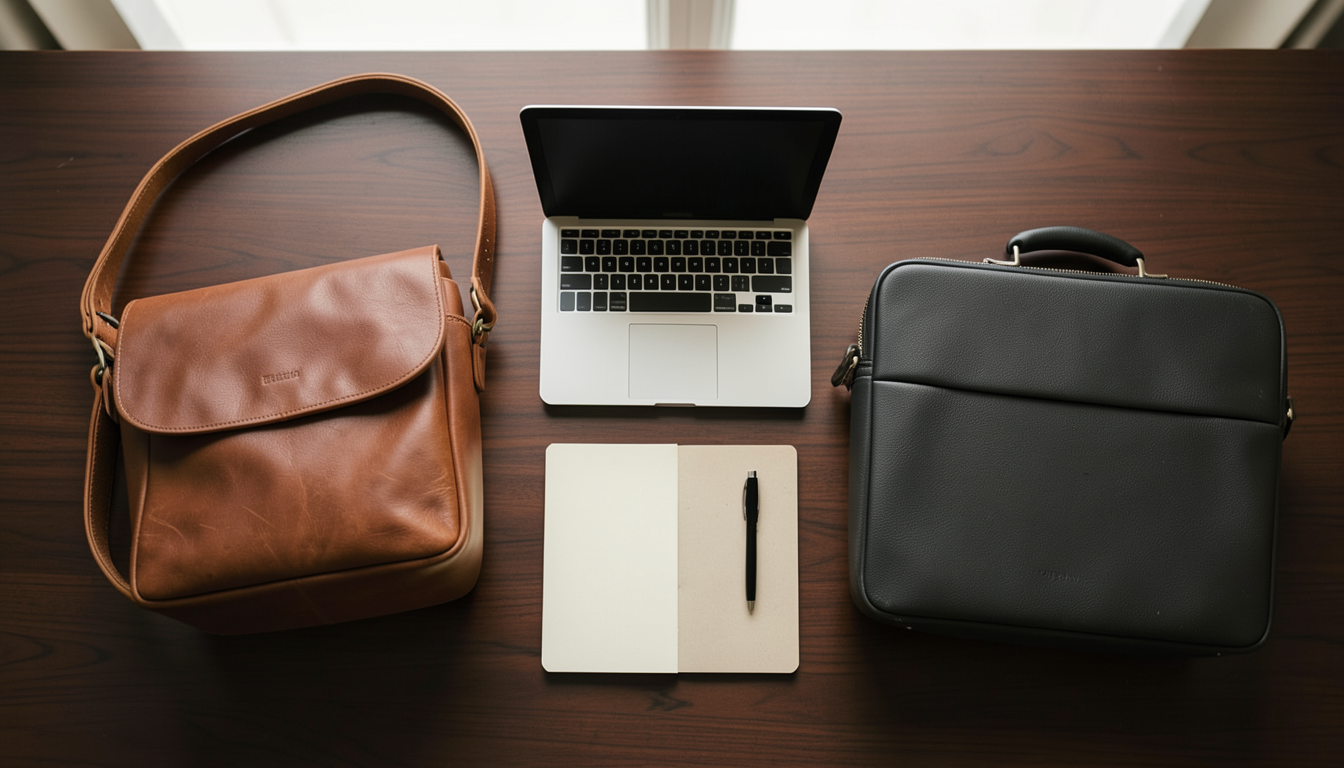
Messenger bag vs briefcase comes down to two things: what you carry, and how you get to the office. A messenger bag rides on the shoulder, keeps both hands free and absorbs a standing commute. A briefcase hangs from a top handle, holds a clean line against a suit and keeps paper flat. Everything else, […]
Saffiano leather is the cross hatched, tightly ruled surface you see on card holders and slim wallets, and it is not a tanning method at all. What is saffiano leather in practice: a cowhide pressed under a heated plate that stamps fine diagonal lines into the grain, then sealed with a coating. The stamping closes […]
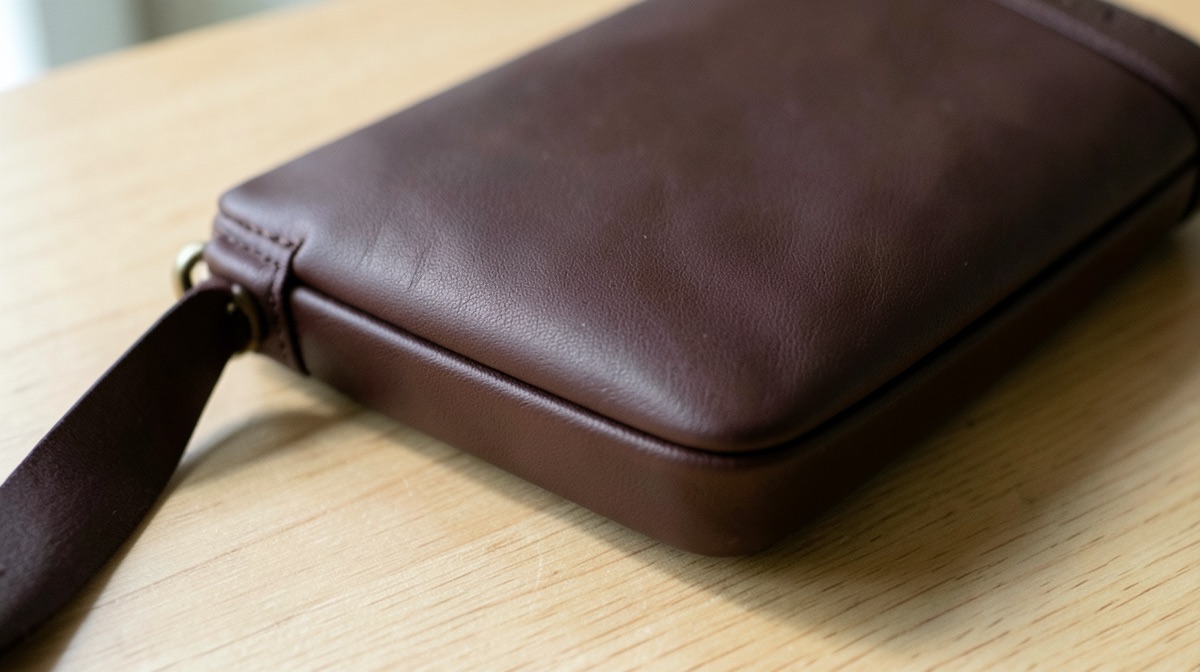
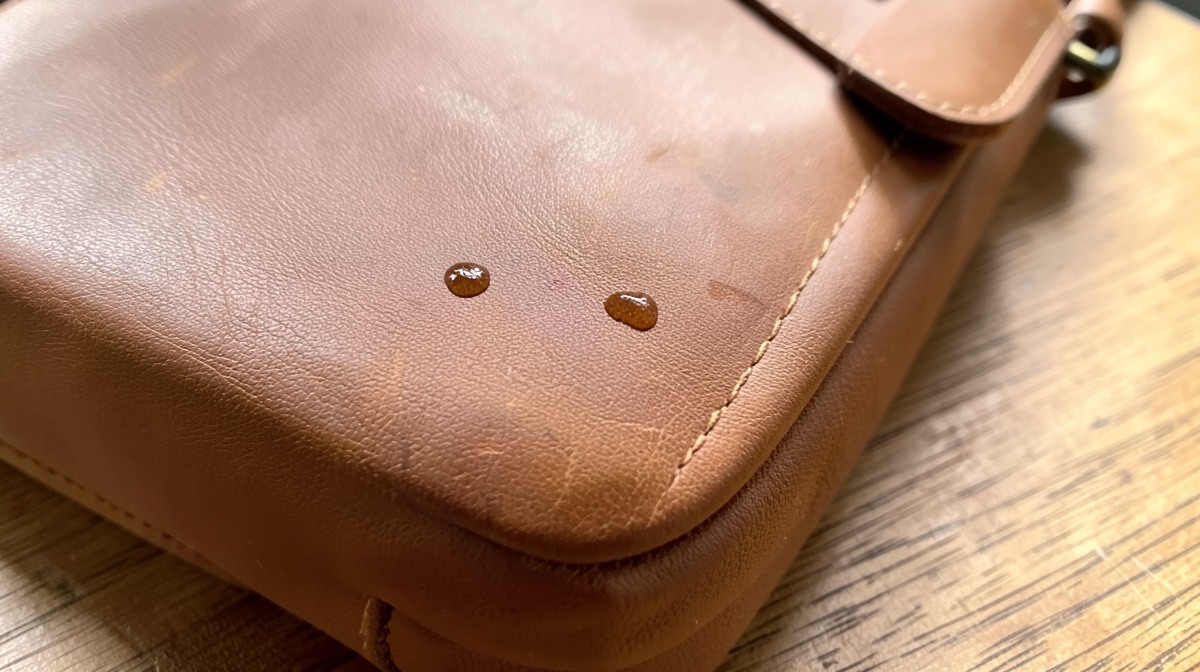
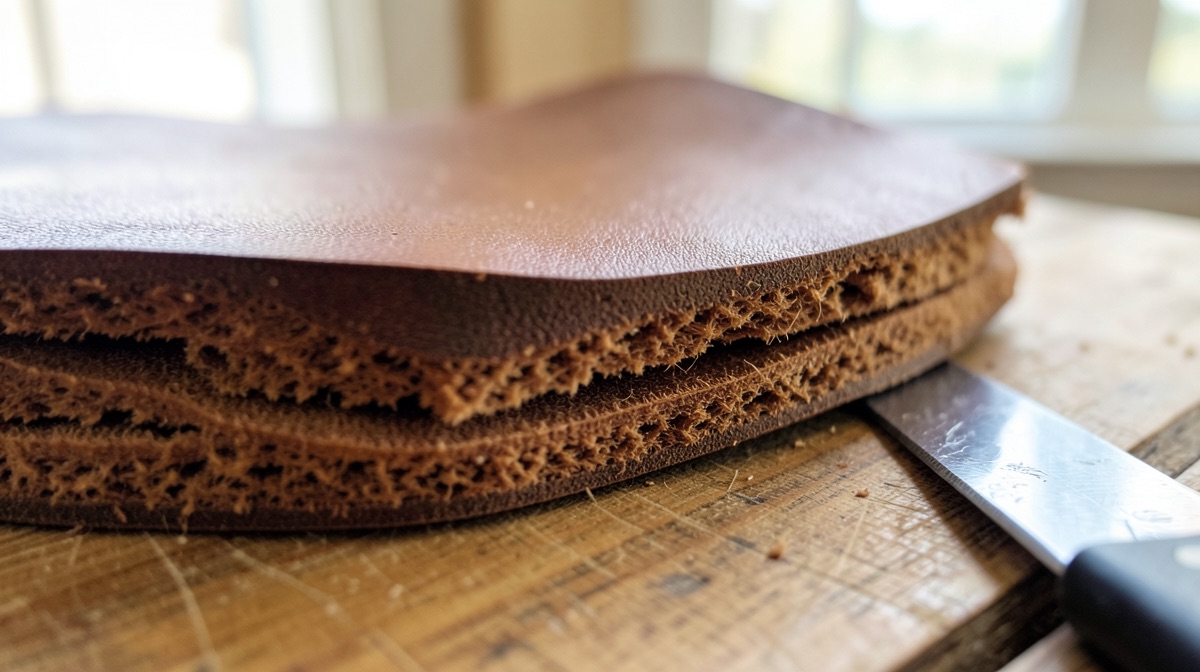
How to tell real leather from synthetic takes three checks and about ten seconds: the cut edge, the grain pattern, and a drop of water. Smell and the flame test, the two most quoted online, are the least reliable. The method works on a jacket, a sofa or a leather messenger bag alike. The three […]
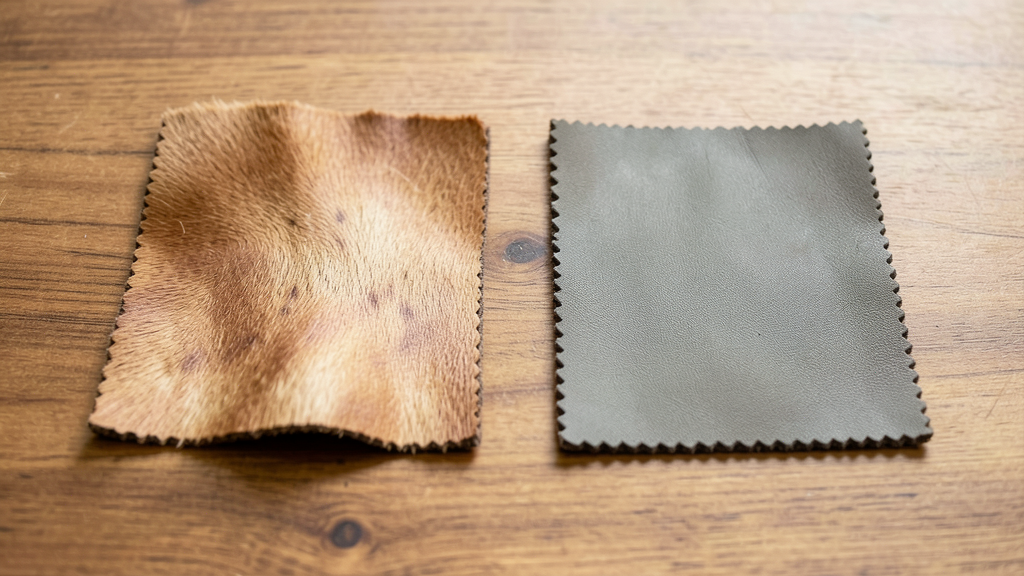
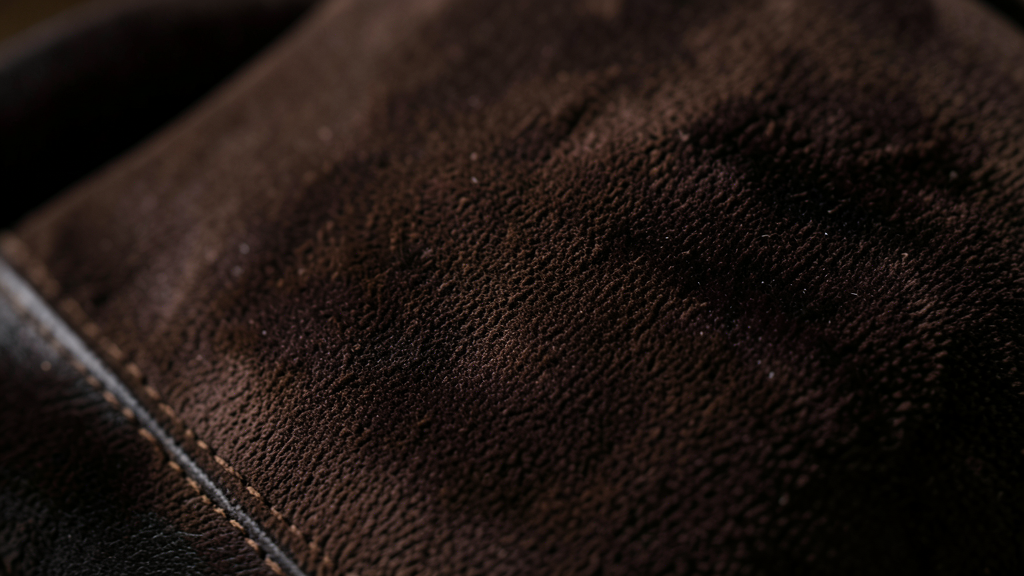
Nubuck is leather sanded on its outer face, the grain side, which gives it a velvet hand while keeping the strength of the top layer. That is what separates it from suede, sanded on the inner face: softer, and far less durable. The difference is visible to the naked eye and decides how you care […]
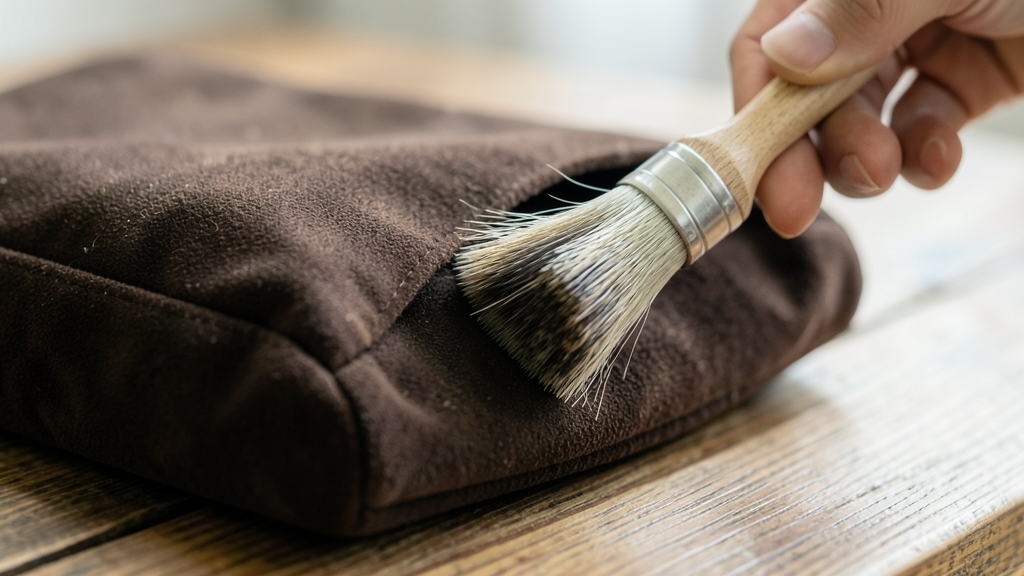
How to clean suede, in order: crepe brush, suede eraser, then absorbent powder on grease. Water comes last, and only across a whole panel, never as a spot treatment. Suede has no protective film, just raised fibre, so anything wet applied to one small area dries into a ring. The same rules apply to shoes, […]
How to soften leather comes down to two things nothing else replaces: fat and movement. Conditioner restores the lubricant the fibres lost, and flexing makes those fibres slide across each other again. Heat, hot water and dryers do the opposite, cracking the grain instead of relaxing it. The same routine works on a stiff leather […]
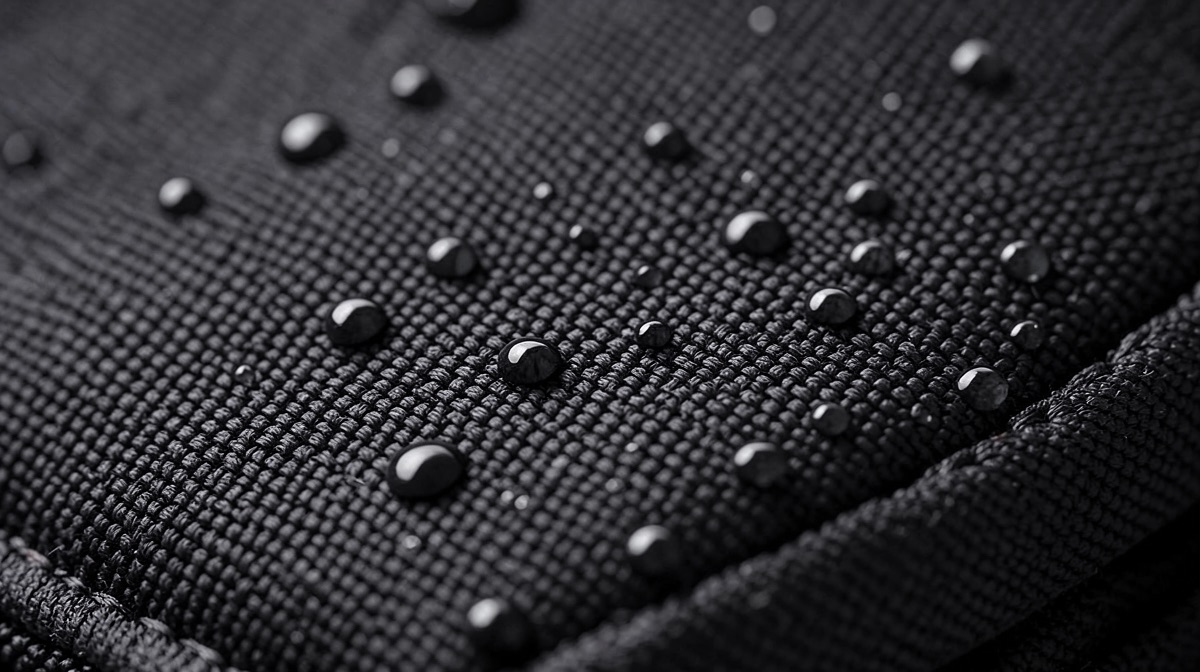
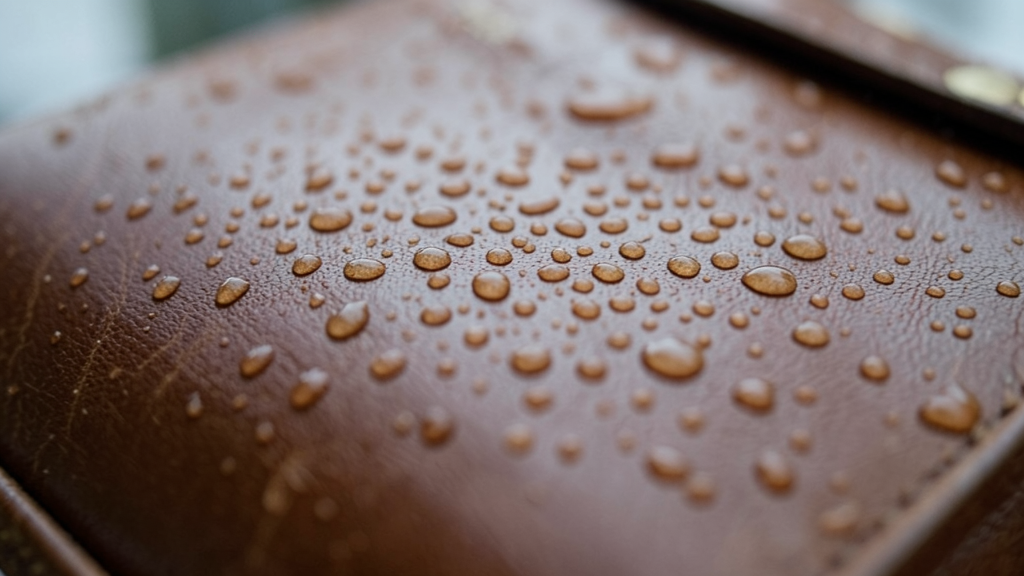
Is leather waterproof? No. Tanned hide is hydrophilic by nature: it absorbs water, swells, and dries stiff. What survives rain is the FINISH on top, pigment, wax, oil or a modern water repellent. So one leather messenger bag shrugs off a downpour while the one beside it spots after thirty seconds, with the same hide […]
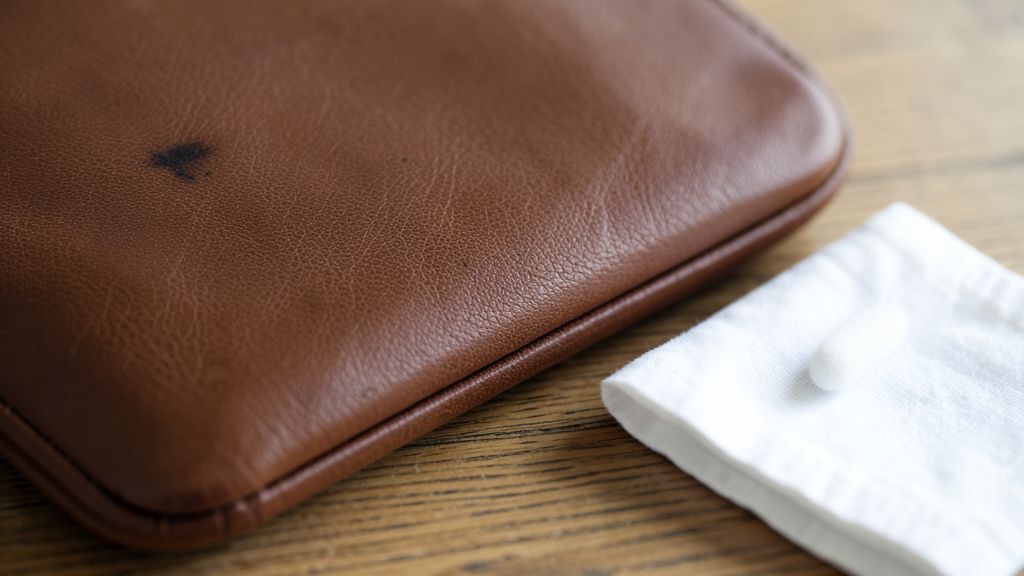
How to remove stains from leather comes down to one decision made before you touch anything: does the leather have a pigmented finish, or is it raw? A finished hide keeps the stain on the surface, where mild soap works. Raw, aniline or oiled leather drinks the stain, and water makes it worse. Test first, […]
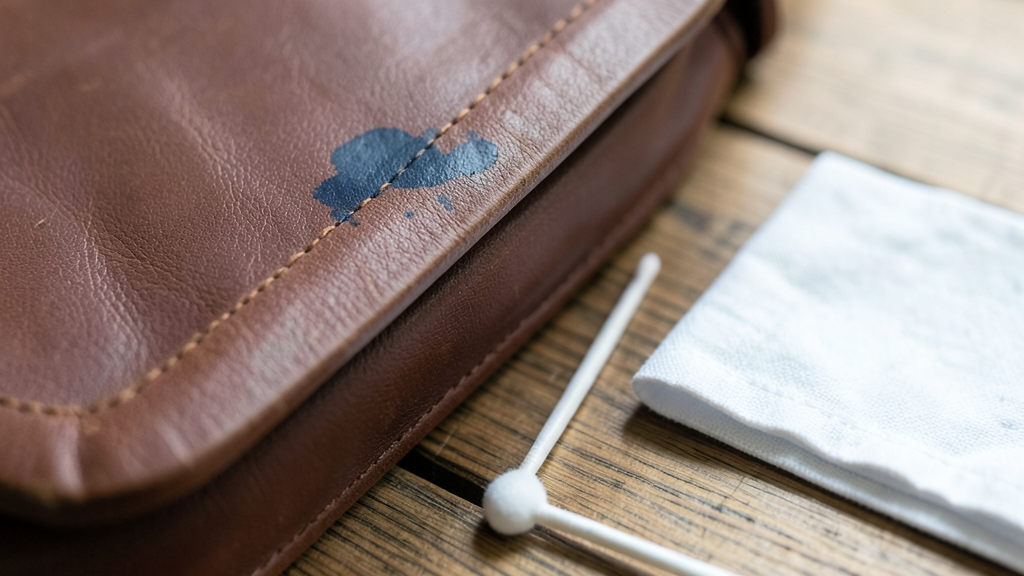
How to remove ink from leather depends on two things: how fresh the stain is, and whether the leather has a protective finish. On smooth, pigmented leather, a cotton swab barely dampened with 70% rubbing alcohol often lifts ballpoint ink in minutes, dabbed from the edge toward the center. On bare leather, full grain or […]
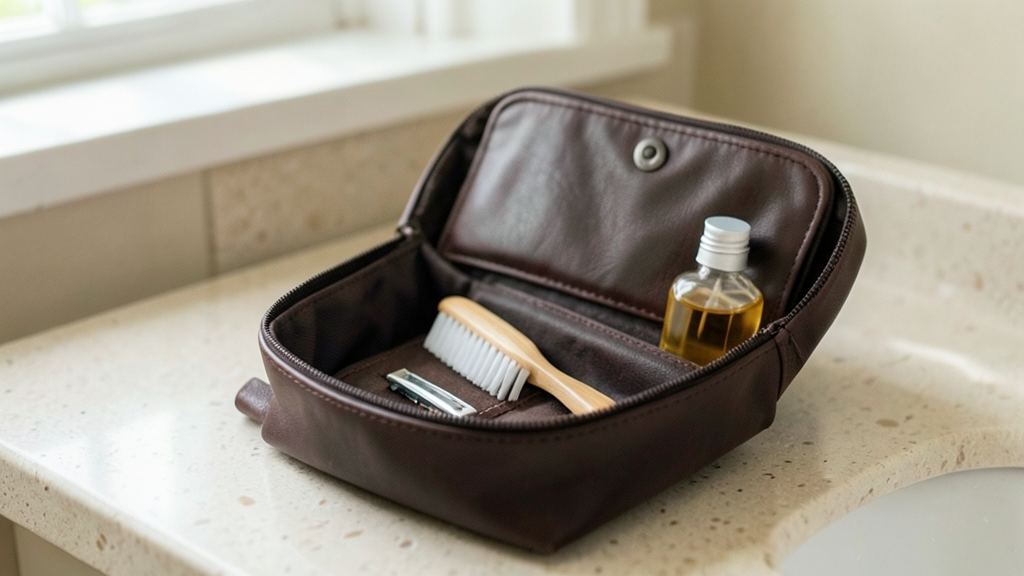
What is a dopp kit? It is a men’s toiletry bag: a rectangular, zip top case made to hold grooming essentials and fit inside your luggage. The name comes from Charles Doppelt, a Chicago leather craftsman who designed it in 1926. It spread with American servicemen during the Second World War, and the word stuck […]
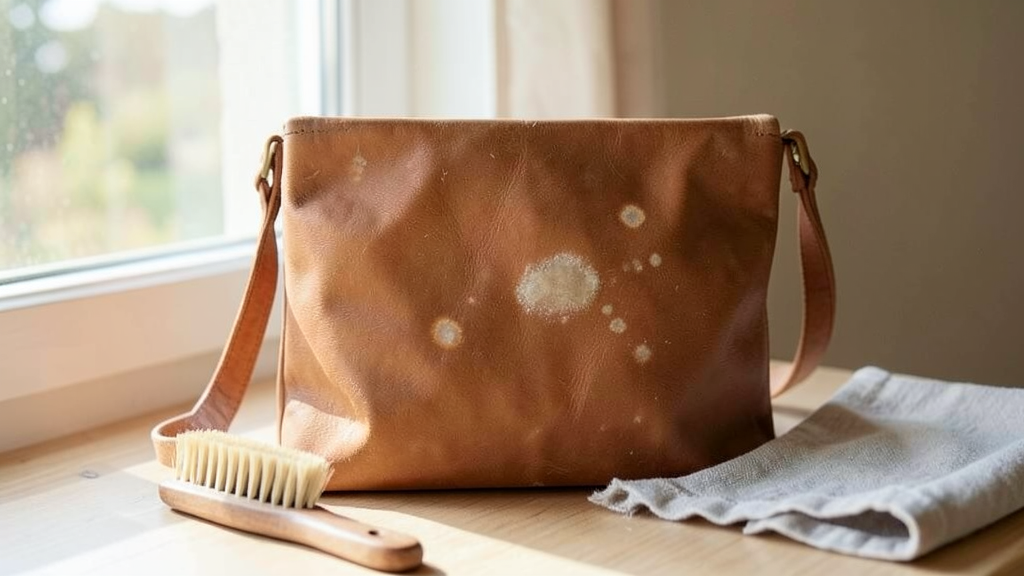
How to remove mold from leather comes down to one question: is it still on the surface? A white or greenish bloom that wipes off comes out with a dry brush, then diluted white vinegar, a slow dry and a conditioning coat. Black spots that stay after wiping mean the mold has reached the grain, […]
Bifold vs trifold wallet, in one sentence: a bifold folds once and opens like a book. A trifold folds twice and opens in three panels. That single difference decides how thick the wallet sits in a pocket, how many cards it holds, and how fast you reach a note. Both shapes live in our mens […]
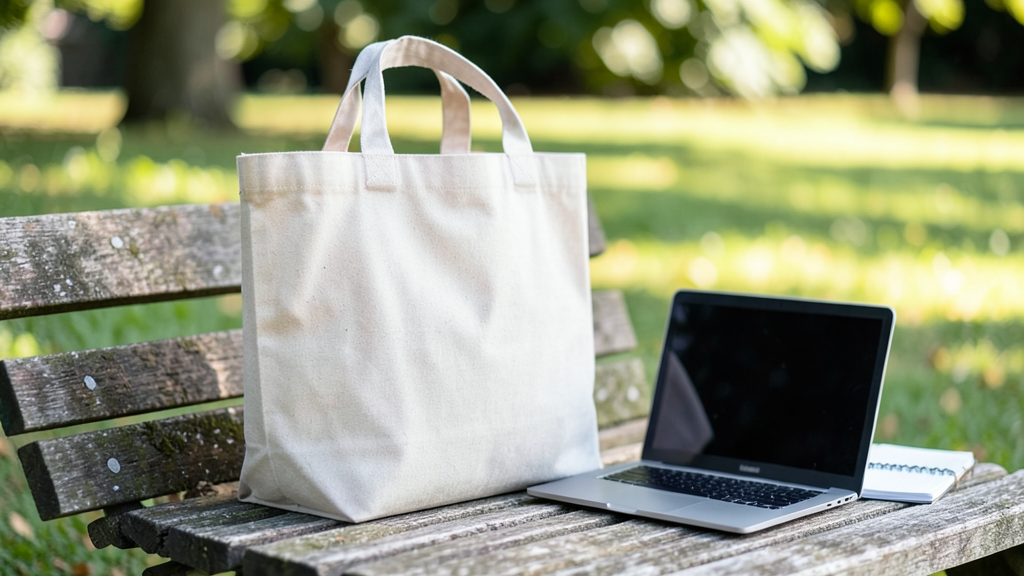
What is a tote bag? It is an open top bag with two parallel handles carried over the shoulder or in the hand, built to hold a lot without closing. It is the simplest bag shape still in daily use: no flap, no frame, usually no zipper. That openness is exactly why people reach for […]
Leather patina is the mark time leaves on tanned hide: the color deepens in places, the surface gains a soft sheen, and the most handled areas turn darker than the rest. It is not wear and it is not a flaw. It is how a natural material reacts to light, hands and friction. On a […]
What is patent leather? It is leather covered with a glossy coating, once made from linseed oil and today from plastic resin, which gives it a mirror finish and makes it almost waterproof. It is the leather of evening shoes, dress belts and some handbags, but hardly ever that of a leather shoulder bag for […]
What is nappa leather? It is a very soft full grain leather, dyed through and tanned to keep a supple, fluid feel. You recognise it by its almost silky hand and the way it drapes like fabric. It is the leather of gloves, premium car seats and some luxury bags, rarely that of a leather […]
The types of leather differ by the layer of hide used, the tanning and the finish. Those three choices, far more than the word leather on a label, decide how a bag holds up over the years. This guide ranks the leathers you meet in bags and small leather goods, from the toughest to the […]
PU leather is a composite material: a backing layer coated with polyurethane, then embossed to imitate the grain of an animal hide. It is neither real leather nor cheap plastic, and that middle position is exactly what makes the question hard to answer. This page covers what PU leather actually is, how it holds up, […]
How to clean a backpack without ruining it comes down to one decision made before anything gets wet: identify the material. Technical nylon, cotton canvas and leather do not wash the same way, and a washing machine destroys two of those three. Empty the bag first, side pockets included, and keep it dry while you […]
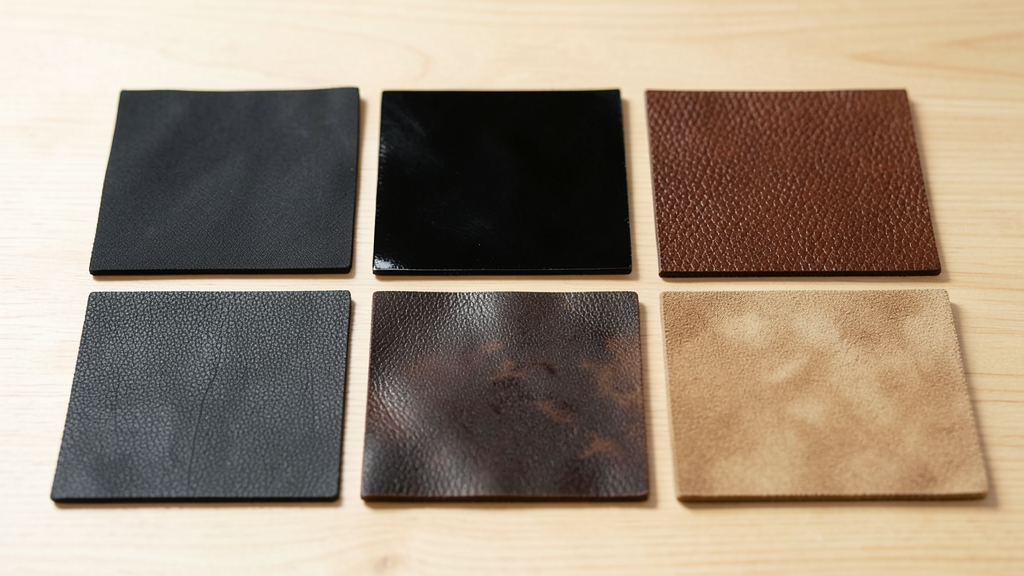
What are the usual wallet sizes, and which one fits the way you actually carry? Wallet sizes are decided by format before centimetres: a bifold, a trifold, a zip around and a slim money clip differ in thickness and in where they can live. This guide gives the common dimensions, the honest card capacity of […]
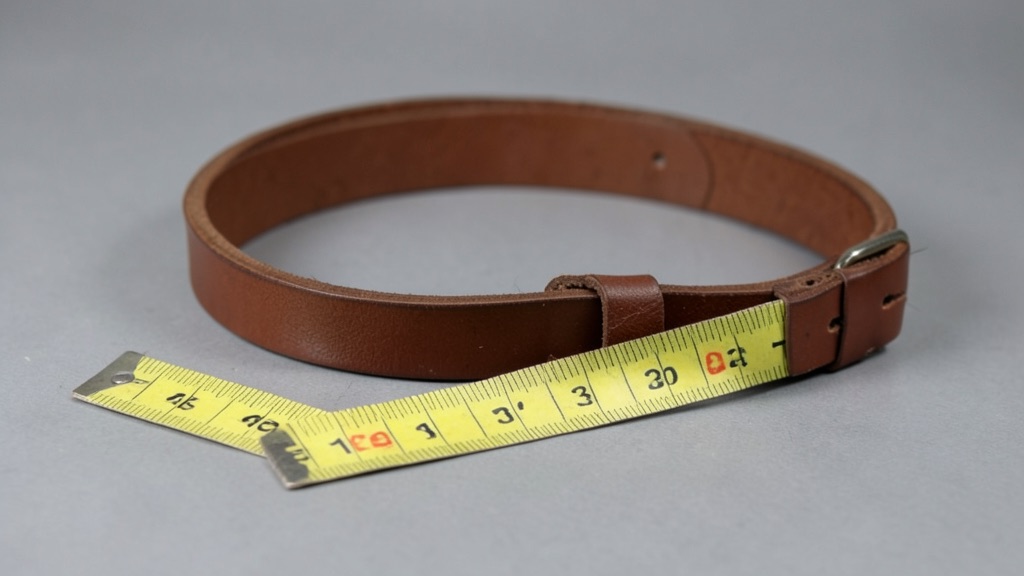
Belt sizes are the one measurement men get wrong most often, and the mistake is always the same: ordering the belt in the trouser size. A 34 waist almost never means a 34 belt. This page gives the measurement that works, the conversion that follows from it, and the two things that change once the […]
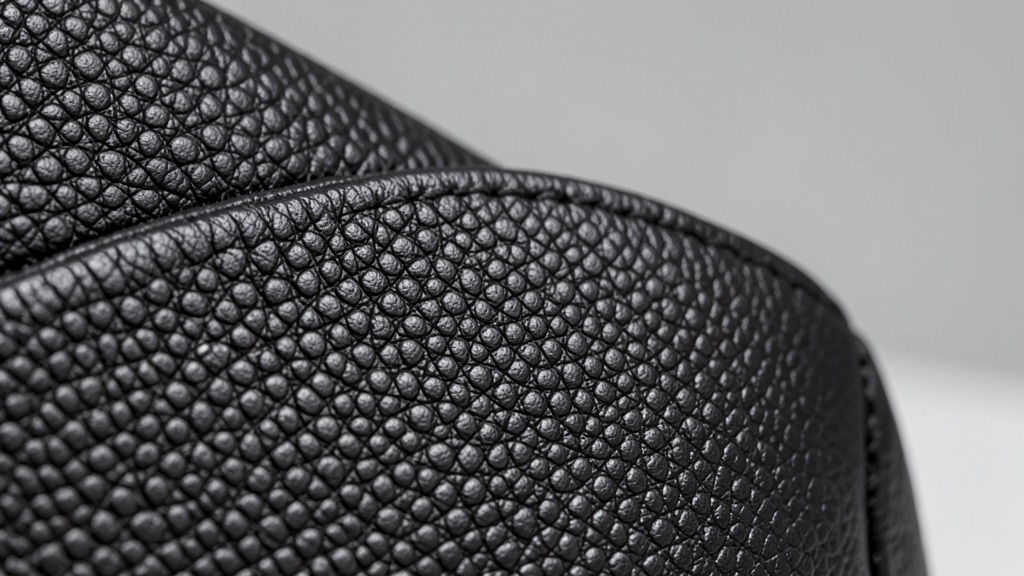
What is pebbled leather? The name describes a hide whose surface carries a raised, rounded grain, like a field of small pebbles. The texture can be natural to the animal, raised in a drum, or pressed in with a steel plate, and that origin decides how the bag ages far more than the look does. […]
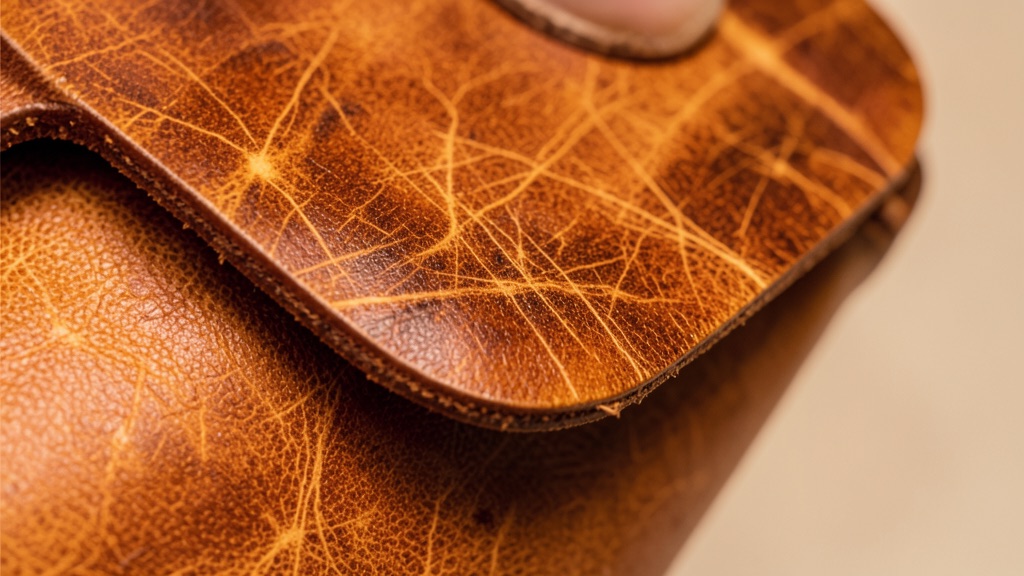
What is crazy horse leather? The name describes a top grain cowhide saturated with wax and oil, not a hide taken from a horse. The finish is built so that every scratch pushes the wax aside and reveals a lighter tone underneath, which is why a crazy horse bag looks older and more lived-in within […]
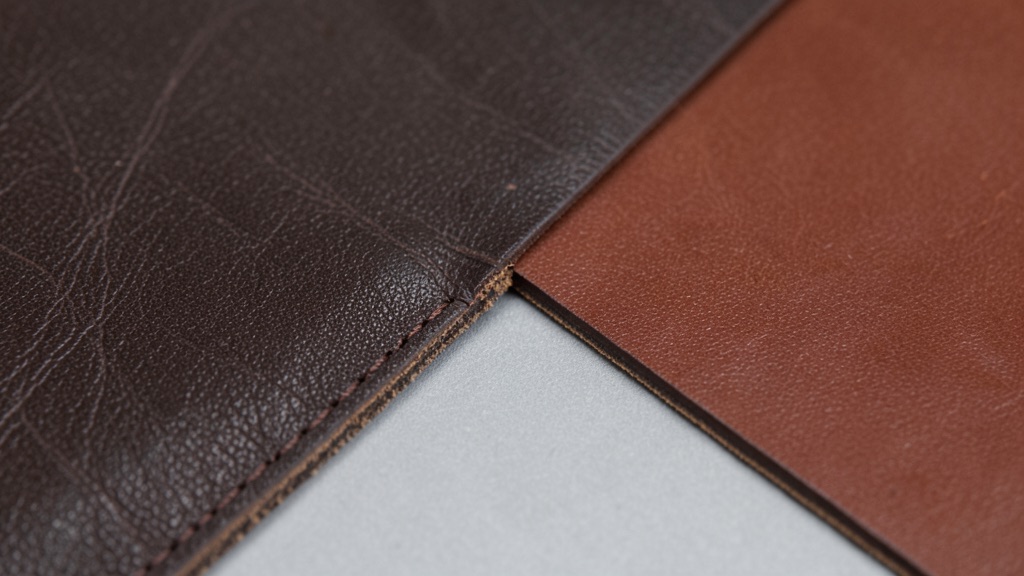
Bonded leather is a manufactured board, not a layer of hide. Leather offcuts are ground into fibers, mixed with polyurethane resin, pressed onto a backing and embossed with a printed grain. Labels call it reconstituted leather, blended leather or leather fiber, and it sits on cheap bags, office chairs and sofas. This guide covers how […]
Vegetable tanned leather is the leather of traditional saddlers and bag makers: the one that smells like leather, darkens in the sun and builds a patina no other leather can copy. It is still a small share of world production, which is dominated by chrome tanning, faster and cheaper. This guide explains what vegetable tanning […]
Knowing how to condition leather starts with two steps people often mix up: cleaning, which removes dirt, and conditioning, which gives back the oils leather loses over time. A leather bag that is cleaned but never conditioned dries out, stiffens and then cracks at the folds. This guide explains why leather needs conditioning, which product […]
Full grain leather is the top tier of leather, and the term you find on the most durable messenger bags, satchels and briefcases. On labels it sits next to “genuine leather”, “top grain”, “split leather” or “cowhide”, names that do not describe the same quality at all. This guide explains what full grain leather is, […]
Suede vs nubuck is the question that decides whether a bag survives its first winter. Both are brushed leathers, both feel soft, and shops use the words almost interchangeably. They are not the same material, they do not come from the same side of the hide, and they do not last the same way. Here […]
Backpack sizes are measured in liters, the volume the main compartment and pockets can hold. As a rule of thumb, under 20 liters is a light daypack, 20 to 30 liters covers a workday or a school day, 30 to 45 liters is the range for a weekend or a short trip, and anything above […]
Full grain versus top grain is the one leather distinction worth learning, because it is the one shops blur on purpose. Both names sound premium, both appear on bags at every price, and only one of them describes the strongest part of the hide. The difference is a single manufacturing step, and it decides how […]
A messenger bag is a soft, flat shoulder bag with a single long strap and a front flap, designed to be worn across the body with the bag resting on the opposite hip or against the lower back. That cross-body position is what defines it: the weight sits on the shoulder and the chest instead […]
How to wear a sling bag comes down to three settings, and only three: which side of your body it sits on, how long the strap is, and how much you put in it. Get those right and the bag disappears into the outfit. Get them wrong and it reads as gear rather than clothing, […]
Cleaning a canvas bag is easier than cleaning leather, and that is exactly why people ruin them. Canvas tolerates water, so the temptation is to throw it in the washing machine. That is the one thing that shrinks the weave, warps the leather trim and pulls the shape out of a bag that was fine. […]
How to dye leather in one sentence: strip the factory finish, apply thin coats of leather dye with a wool dauber, buff, then condition and seal. The result depends less on the dye than on the leather you start with. Smooth, absorbent leather takes color evenly; coated or synthetic surfaces do not, and some need […]
How to store handbags so they come out of the closet looking the way they went in: empty them, clean them, stuff them with acid free tissue, slip each one into a breathable dust bag or a cotton pillowcase, and stand them upright on a shelf, not touching, in a cool, dry room away from […]
How to clean a Longchamp bag depends on what it is made of. A nylon or canvas Le Pliage is cleaned by hand with a cloth, a little mild soap and lukewarm water, rinsed straight away, blotted and left to dry with the handles down. The leather flap and handles, and fully leather models, only […]
The easyJet cabin bag size for the free bag is 45 x 36 x 20 cm, handles and wheels included, and it has to fit under the seat in front of you. Everything bigger is a large cabin bag of up to 56 x 45 x 25 cm, which goes in the overhead locker and […]