
Guides & Advice
Belt Sizes Explained: Measure, Convert And Order Right
Sep
Belt sizes are the one measurement men get wrong most often, and the mistake is always the same: ordering the belt in the trouser size. A 34 waist almost never means a 34 belt. This page gives the measurement that works, the conversion that follows from it, and the two things that change once the leather has been worn for a season. Everything below applies to the belts we sell in our leather belt range.
Where a belt is actually measured
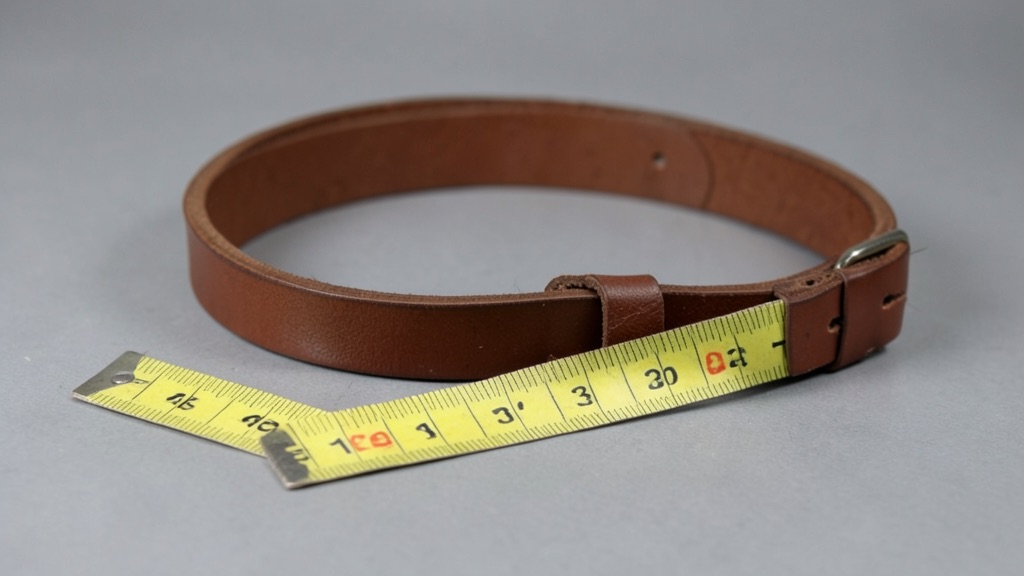
A belt is measured from the fold at the buckle to the middle hole, not end to end and not including the buckle. That single convention explains most of the confusion: two belts marked 90 can differ by four centimetres of total strap because one maker measures to the tip and the other to the centre hole. When a listing does not say which point it uses, treat the number as unverified. Our own belt and small leather goods pages state the fold to centre hole figure, which is the one that matches your waist.
The method that does not fail
Take a belt you already wear, lay it flat, and measure from the fold at the buckle to the hole you use. That number is your belt size, in the same units the maker prints. It beats measuring your waist with a tape, because a belt sits over trousers and sometimes over a shirt, and that extra layer is exactly what a tape around bare skin misses. If you have no belt to copy, thread a strip of paper through the loops of the trousers you wear most, mark it where it closes comfortably, and measure the strip. Then look at the wallet and belt pairings if you want the leathers to match.
Converting from trouser size
The usual rule adds five centimetres, or two inches, to the trouser waist. A 34 waist therefore takes a 36 belt in inches, or roughly 90 in centimetres. The rule holds for mid rise trousers and breaks in two cases: low rise jeans, where the belt sits wider than the waistband, and high rise or pleated trousers, where it sits narrower. In both, the belt you own beats any table, which is why the previous section comes first. Leather thickness plays a part too, and our full grain leather pieces behave differently from a thin split.
Pin buckle or automatic buckle
A pin buckle offers fixed holes, usually five, spaced two and a half centimetres apart. Your size must land on the third hole, which leaves two holes of adjustment either way. An automatic buckle grips the strap anywhere along its length and is cut to length at home, so the size question becomes a maximum rather than a target: order above your measurement and trim. The trade off is that a cut strap cannot be lengthened, and a belt shared between two people is out of the question. See the business leather range for the finishes that pair with a dress belt.
What changes after a season
Leather stretches. A full grain strap gains one to two centimetres in the first year and then stops, which is why the third hole matters: it gives you room to move back one hole as the belt settles. A bonded or coated strap does not stretch in the same way, it cracks at the fold instead, and no size adjustment saves it. This is the single strongest argument for buying by material rather than by price, and it is the same argument that governs our leather backpacks.
Our selection: belts and leather goods
Three pages cover the ground if you are buying today. Our belt and waist pieces hold the strap and buckle options. The men’s leather wallets match the same leathers, which matters more than most style advice admits. And the See the leather satchels to complete the set for work, and compare the finishes side by side.
Conclusion
Measure the belt you already own, fold to centre hole, and order that number. Use the trouser plus two inches rule only as a check, never as the decision. Then pick the material with the first year in mind: full grain stretches and settles, coated leather does not forgive the fold. Start with our belt range, and read wallet sizes if you are matching a set.
Frequently asked questions
What size belt for a 34 waist?
A 36 inch belt, or about 90 centimetres, measured from the buckle fold to the centre hole. Check it against a belt you already wear before ordering, since rise and leather thickness shift the result.
How do I measure a belt without a tape measure?
Thread a strip of paper through your trouser loops, mark where it closes comfortably, then measure the strip against any ruler. The mark to the free end gives the same figure a tape would.
Do leather belts stretch over time?
Full grain leather gains one to two centimetres in the first year, then stabilises. Order so your usual hole is the third of five, and you keep adjustment in both directions.
Is belt size the same in inches and centimetres?
No, and the confusion is common. A belt marked 36 in inches is roughly 90 in centimetres. When a listing shows both, check that the two agree before ordering.
