
Guides & Advice
What Is Crazy Horse Leather? Wax, Patina and Real Care Tips
Sep
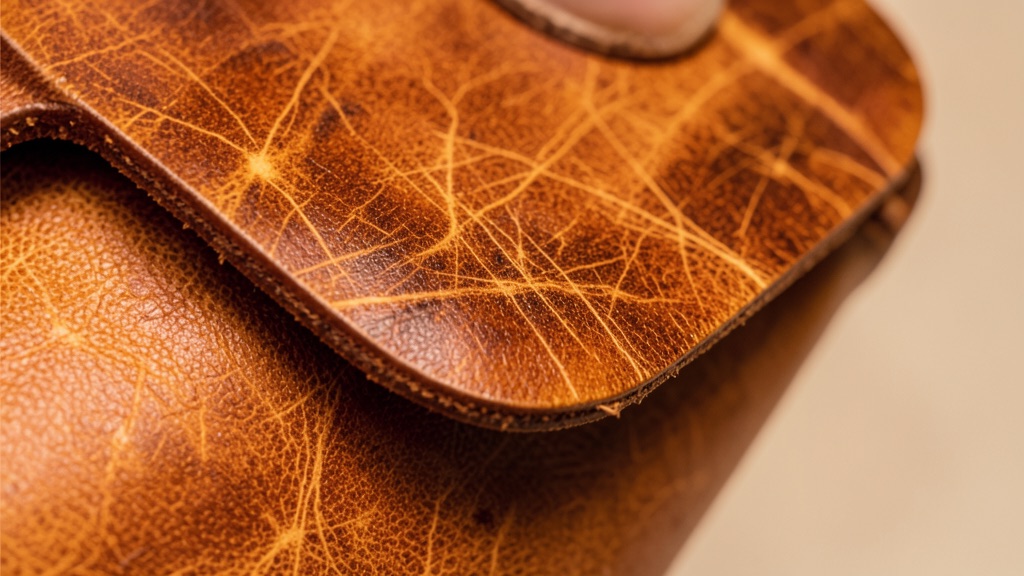
What is crazy horse leather? The name describes a top grain cowhide saturated with wax and oil, not a hide taken from a horse. The finish is built so that every scratch pushes the wax aside and reveals a lighter tone underneath, which is why a crazy horse bag looks older and more lived-in within weeks. This guide covers where the name comes from, how the hide is treated, how the surface behaves, and how to care for it. The finish appears on several models in our leather satchels for men.
On this page:
Where the name comes from ·
How it is made ·
The pull up effect ·
Against the other finishes ·
Care and scratch removal ·
Durability, and who it suits
Where the name comes from
Tanneries invented the label, not breeders. Waxed hides of this type were historically used for saddlery and harness work, and the association with horses stuck to the leather rather than to its source. The hide itself is almost always cowhide, prepared as a full grain leather or a lightly buffed top grain before the wax goes in.
No standard governs the term. Two tanneries can sell very different leathers under the same name, which is why the visible behaviour of the surface matters more than the label on the tag.
How crazy horse leather is made
The tannery starts from a top layer hide and buffs the surface very lightly so it will absorb. The leather is then drummed with a heavy load of waxes and oils until they sit inside the fibers rather than on top, and finished without a pigmented coating. Nothing seals the surface, which is exactly the point: the wax has to be free to move.
Why the absence of a coating matters
A pigmented finish protects by sealing. Sealing also freezes the appearance, so the bag looks the same at year five as on day one, until the coating cracks. Crazy horse takes the opposite bet: an open surface that marks immediately and keeps changing. Run a thumbnail across a leather messenger bag in this finish and the mark appears instantly, then fades when you warm it with a finger.
The pull up effect, and how it wears
Bending or rubbing the leather displaces the wax locally, and the drier, lighter fiber shows through. Tanners call this pull up. Releasing the tension lets the wax flow back, and warmth accelerates the return.
- Scratches are part of the design. They lighten, then blend into the general patina rather than staying as lines.
- The colour deepens. Wax and oils oxidise, so an amber bag turns deep brown over about two years.
- Light rain runs off. The wax load slows water down, though the leather is never waterproof.
- Repairs disappear. A scuff evens out under heat and a cloth, which no coated leather allows.
That behaviour suits bags thrown into a car and carried daily, which is why the finish is common on brown leather bags for men.
Crazy horse against the other finishes
| Finish | Surface | Reaction to a scratch |
|---|---|---|
| Crazy horse | heavily waxed, matte, marbled | lightens, then blends back in |
| Aniline | dyed through, little protection | marks and keeps the mark |
| Pigmented | opaque coating, uniform | the coating scores and stays scored |
| Nubuck | sanded, velvety nap | the nap flattens and holds stains |
Buyers who want an even surface that stays even are better served elsewhere, and the comparison in our guide to suede vs nubuck covers two finishes that behave very differently again.
Caring for it, and removing scratches
Feed it rarely and lightly. The leather already holds more wax than most finishes will ever see, and over-conditioning leaves a dull, sticky film that attracts dust.
- Dust with a dry cloth, and rub a scuff with a thumb to move the wax back into it.
- Once or twice a year, apply a thin coat of neutral wax or leather balm, then buff.
- Warm a deep scratch gently with a hair dryer on low, then buff it with a cloth.
- Let a soaked bag dry in open air, away from any heat source.
Water based cleaners and alcohol strip the wax and leave a permanently dull patch. Our guide on how to clean a leather bag covers stains by type, and how to condition leather explains how little product is actually enough.
Durability, and who the finish suits
Judged on the hide, crazy horse is as durable as any top grain leather, and the wax load adds real resistance to abrasion and light water. Judged on appearance, it is the least forgiving finish there is, because it shows everything from the first week.
Who should avoid it
Anyone who wants a bag to look new. A crazy horse bag reaches its intended appearance only after it has been marked, and the first scratch on an expensive item is hard to enjoy if that was not the plan.
Who it suits
Daily carriers who want the bag to record their use, and anyone tired of protecting a surface. The finish also hides the accidental damage that ruins a pigmented bag, which makes it practical rather than merely decorative. Several of our men’s leather backpacks use it for that reason.
We stock this finish, and we warn buyers about it in the same breath. A bag in this finish can reach its buyer already carrying marks from handling, and the leather is then behaving exactly as intended. Our take is blunt, and we recommend acting on it: if the first scratch would upset you, this is the wrong finish, however good the hide underneath. We would rather lose the sale than take back a bag that was never faulty.
Our selection: bags in waxed and oiled leather
- Leather crossbody bags for men, the compact option.
- Leather briefcases for men, for documents and a laptop.
- Bonded leather explained, the material to avoid on a bag.
See all leather shoulder bags for men
Conclusion
Crazy horse leather is waxed and oiled top layer cowhide, and its value is a surface that records use and deepens with it. Accept marks from the first week, feed it once or twice a year, keep water based cleaners away, and rub scuffs rather than hiding them. Readers who prefer an even surface should look at our black leather bags for men or read our guide to vegetable tanned leather.
Frequently asked questions
Is crazy horse leather made from horse?
No. The name describes a waxed finish applied to cowhide, and refers to old saddlery leathers rather than to the animal used today.
Is crazy horse leather good quality?
Yes when it starts from a top layer hide, which is the usual case. The heavy wax load adds resistance to abrasion and to light rain.
How do you remove a scratch from crazy horse leather?
Rub it with a thumb or a soft cloth while warming the area slightly. The wax flows back and the lighter mark disappears within seconds.
Does crazy horse leather get darker over time?
Yes. The waxes and oils oxidise, so the colour deepens over roughly two years and the contrast between marks softens.
Is crazy horse leather waterproof?
No, only water resistant. Light rain beads and runs off, but a soaking soaks through and must dry slowly in open air.
Crazy horse or full grain: which should you choose?
They are not exclusive, since most crazy horse starts as full grain. Choose crazy horse for a surface that marks and evolves, plain full grain for one that ages more slowly and evenly.
